
Introduction
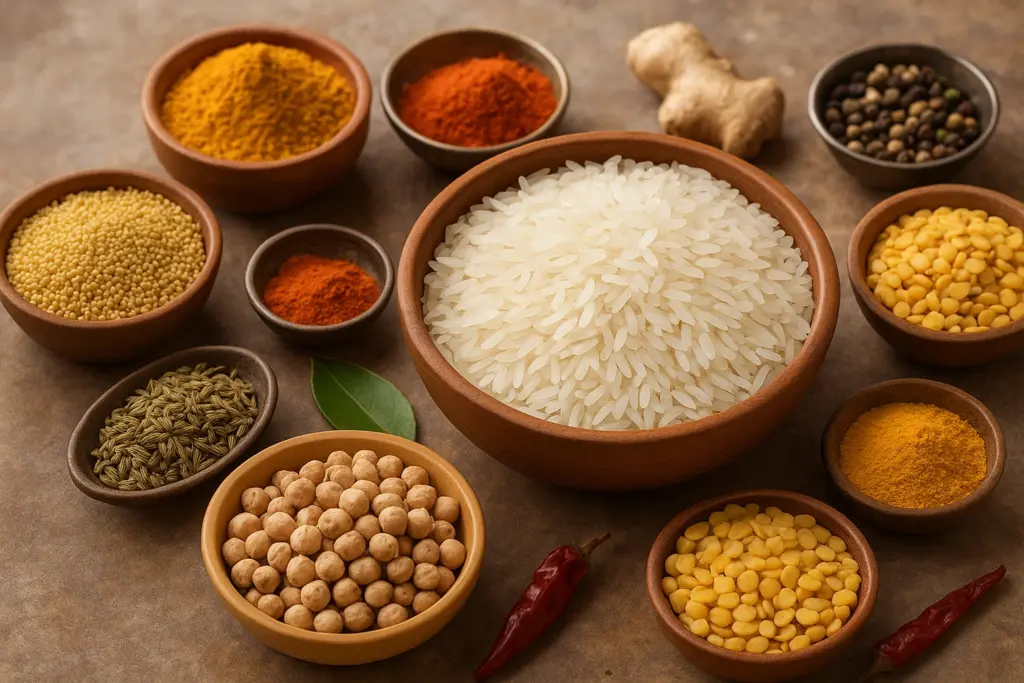
The rising global demand for Indian grocery, agro, and food products is reshaping international food trade and positioning India as a key supplier to the world. From traditional rice varieties and millets to spices, pulses, and processed foods, Indian agricultural and grocery products are gaining widespread acceptance across global markets.
In 2025, changing consumer preferences, growing health awareness, population growth, and the search for authentic flavors have accelerated the demand for Indian food products. Supported by strong agricultural heritage, diverse climatic zones, and expanding export infrastructure, India is emerging as a trusted source for quality, value, and variety in the global food supply chain.
This blog explores the factors driving global demand, key product categories, major export destinations, and future opportunities for Indian grocery and agro exports.
Why Global Markets Are Turning to Indian Food Products
Several global trends are fueling the rising global demand for Indian grocery, agro, and food products.
Key Demand Drivers
Growing interest in traditional and ethnic cuisines
Rising preference for plant-based and whole foods
Increased awareness of Ayurveda and natural nutrition
Competitive pricing with consistent quality
Strong supply capacity across multiple food categories
Indian food products align perfectly with modern consumer values—health, authenticity, sustainability, and taste.
India’s Strength in Grocery & Agro Production
India’s agricultural diversity is unmatched. With multiple harvest seasons and varied climatic conditions, the country produces a wide range of food products throughout the year.
Major Strengths
One of the world’s largest producers of rice, pulses, and spices
Extensive millet cultivation supporting global health trends
Skilled farming communities and traditional processing methods
Expanding adoption of quality and export standards
These strengths support the rising global demand for Indian grocery, agro, and food products by ensuring stable supply and variety.
Rice: A Global Staple from India
Indian rice varieties such as basmati, non-basmati, and traditional heritage rice are in high demand globally.
Why Indian Rice Is Preferred
Unique aroma and grain length
Consistent cooking quality
Wide range for different culinary needs
Strong export compliance systems
Markets in the Middle East, Africa, Europe, and North America rely heavily on Indian rice, contributing significantly to export growth.
Millets: India’s Contribution to Global Health
Millets have emerged as one of the fastest-growing export segments, reinforcing the rising global demand for Indian grocery, agro, and food products.
Global Millet Demand Factors
High fiber and low glycemic index
Gluten-free and diabetic-friendly properties
Sustainable and climate-resilient cultivation
Endorsement by global health organizations
Indian millets such as finger millet, pearl millet, and foxtail millet are now widely used in health foods, snacks, and specialty diets worldwide.
Spices: India’s Global Culinary Influence
India is globally recognized as the “Land of Spices.” Its dominance in spice exports continues to grow year after year.
Popular Indian Spices in Global Markets
Turmeric
Cumin
Pepper
Cardamom
Chili
The medicinal, culinary, and wellness applications of Indian spices make them indispensable across
Conclusion
The rising global demand for Indian grocery, agro, and food products reflects a powerful shift in global consumption patterns. With its rich agricultural heritage, diverse product range, and growing compliance capabilities, India is positioned as a reliable food partner to the world.
For businesses, this demand presents immense export opportunities. For consumers, it ensures access to nutritious, authentic, and high-quality food products. As global food systems evolve, Indian grocery and agro products will continue to play a vital role in feeding the world.